MY OWN MONEY DILEMMA
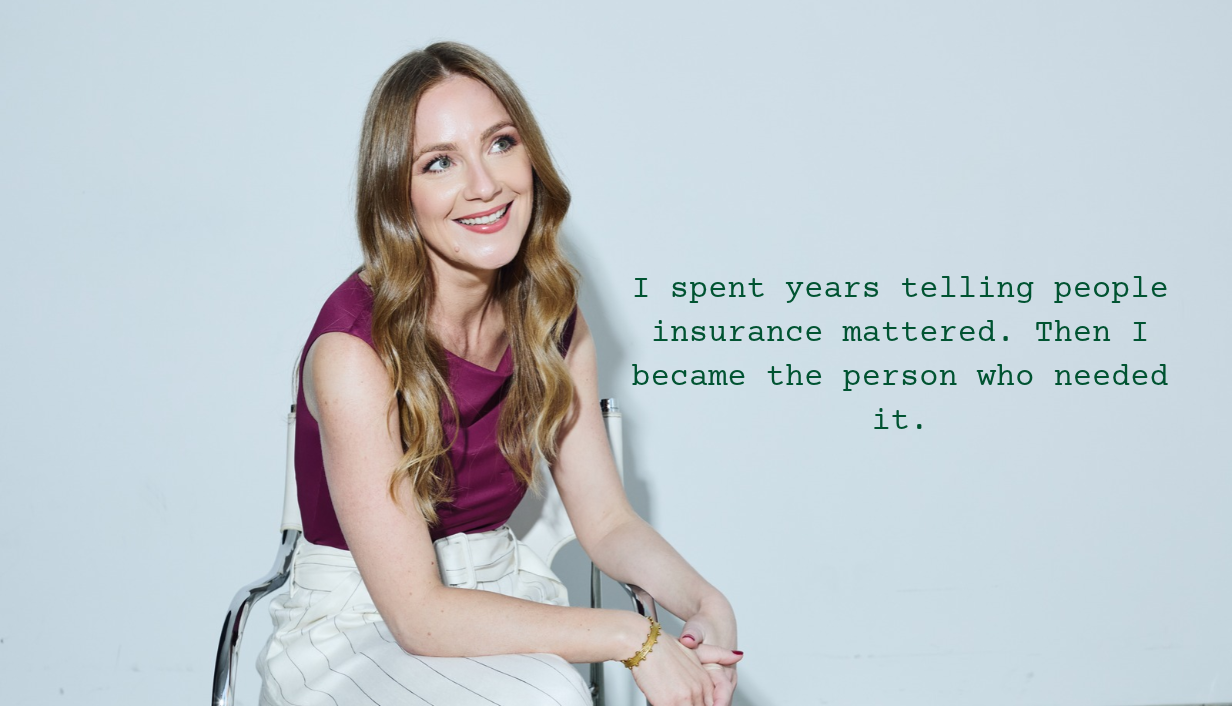
It’s always annoying when life gets in the way of our well-intended plans. I spent an inordinate amount of my childhood dreaming about being a grown-up. I imagined adulting was full of glamour, freedom and, importantly, the ability to eat ice cream whenever I wanted. I was pretty sure it was going to be excellent.
Very annoyingly for me, adulting turned out to be far more 'did you take the washing out of the machine’. And bills – why are there so many bills? You never see adults in movies constantly having to wade through the minutiae of mail. Oh, and the dog needs worming.
These didn't feel like the hallmarks of successful adulting. And yet they often are. The seemingly-unimportant-until-they-become-so activities that don’t seem to change much until you need them. Like saving for a rainy day, even when the forecast has nothing but sunny days ahead. Or backing up your computer before it dies a sad untimely death. Or giving a spare key to the person you believe, on balance of probability, will answer your desperate call when you’ve locked yourself out at 10pm on a cold Tuesday evening. They aren’t that big a deal, until they are.
I certainly didn’t think one of the things I’d be most impressed at young Jess for was getting personal insurance sorted in my early twenties.
Yet friends, here we are.
If I'm honest, I needed to be ‘counselled’ into it... which looked like a very well-meaning colleague at the bank I worked at, dragging me into a meeting room with application forms for me to complete. Even then, I attempted to resist with cries and shouts of health and vitality and a youthful confident assurance that the world was my oyster. I worked in financial services. I understood how insurance worked and I knew why protecting yourself financially mattered. It's the same reason insurers like Zurich Australia spend so much time helping people understand life insurance, income protection and financial protection more broadly. We all know life can change unexpectedly, but it's easy to view those risks as something that happens to somebody else. And even with all that knowledge, I still had to be cajoled into getting my cover sorted. I lost, she won. I got insured.
I understood insurance intellectually. What I didn’t understand was what it would actually feel like to need it.
At 36, I found out.
When a hypothetical becomes your actual life
For a brief minute – my world did become an oyster. Or so I thought.
See, there is nothing like timing a serious medical event on the day you go on an ‘oyster experience’. How I wish this was some sort of AI concocted hogwash. But no, the universe and its mystic timing, thought that me being out in a large body of water was the perfect setting for the beginning of the perfect (health) storm.
It wasn’t even the oyster's fault. I believed I had returned with a nasty bout of food poisoning. Instead, I learned a few days later it was a blockage in an organ that had catfished me into me believing that ‘she’ll be right’.
She, in fact, wasn’t.
She, being me, had an organ that needed urgent removal and a nasty side of sepsis. A life-threatening situation. Thankfully for me it wasn’t.
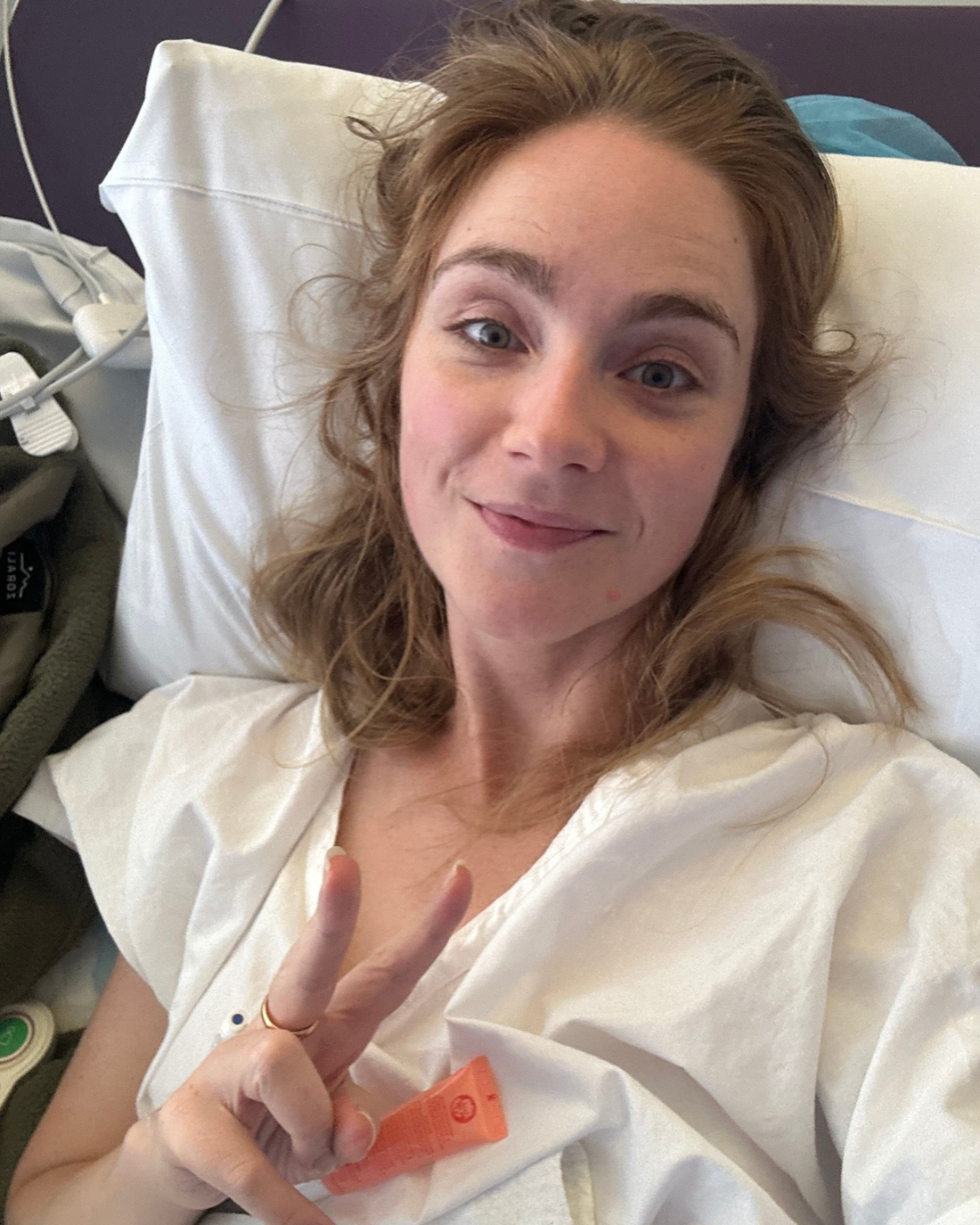
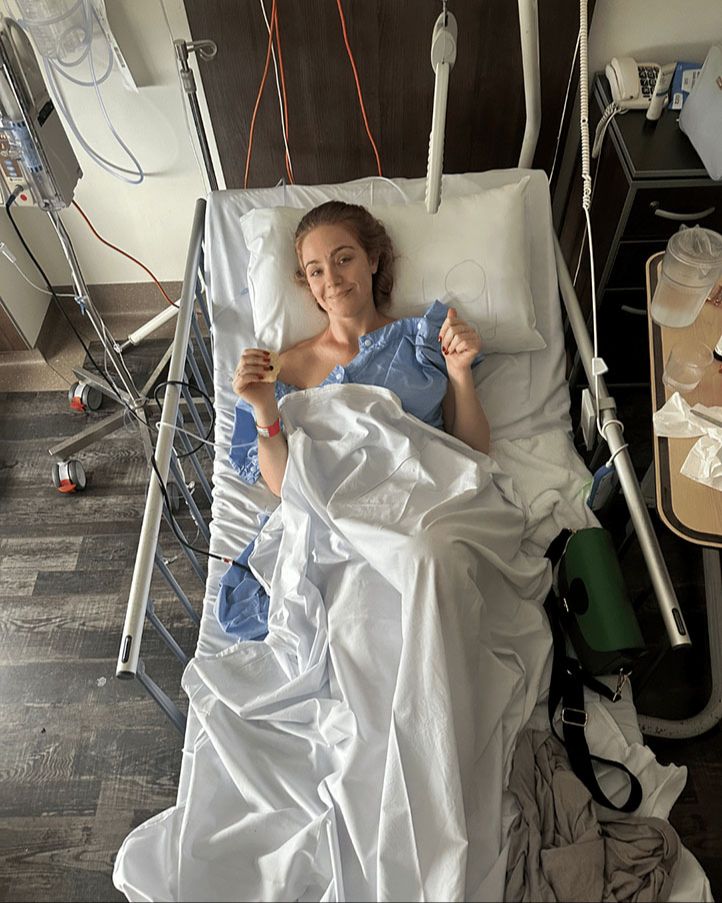
One minute I was running a business, working, speaking, recording podcasts, making plans, cursing the arrival of mail - all the normal things that filled my life. Then suddenly, I was covered in cords in a hospital bed being told I wasn’t going home anytime soon.
There are obviously some very big and very scary questions that go through your head when something like that happens. What is going on? What happens next? What is recovery going to look like? Financial questions started creeping in too.
What about my business, my team and all of the commitments I'd made? When can I get back to working full time? What happens if this isn't a few weeks of being sick and then bouncing back, but months of not being able to work properly? Because for the last few years, that’s what it has been for me.
Since my first hospital admission – I've been in and out of hospital more times than I care to count. I can tell you which sandwiches are the best, and which are best to avoid.
We like to think that you get sick, you get better and life goes on. But that isn’t always how it turns out. I’ve now developed a series of complex and debilitating chronic illnesses. There have been weeks of this year alone, where washing my hair seemed genuinely aspirational. I’ve amassed a small army of specialists, surgeons and medical professionals. Each of them in charge of one part of the jigsaw puzzle titled ‘lets put Jess back together again’. It’s slow, frustrating and expensive. Piece by piece we are getting me back to a new version of normal.
I'd spent years asking people versions of the same question: What would happen financially if you couldn't work? Suddenly the hypothetical person I'd spent years talking about was me. With unwashed hair.
The greatest thing my insurance gave me wasn't money
I had the full flush of insurance policies – life insurance, total and permanent disability, trauma insurance and income protection insurance. I'd paid premiums for year after year, hoping I'd never actually get anything back from it. It’s like putting money into a lottery you don’t want to win, and then you hear your numbers called.
The greatest thing my insurance gave me wasn't money. It was security.
I’m someone who has always been fiercely and stubbornly independent. I once convinced an airline I didn’t need an adult assistant when I flew solo to see family overseas at age ten. I skipped merrily out of home at eighteen and always wanted to make sure I could look after myself. Being sick makes you feel incredibly vulnerable. Sometimes you are literally dependent on others for your survival. You are vulnerable. You need other people to help you manage the other day-to-day elements of life that keep going even when you’re in hospital, or bedbound at home. I needed my baby brother to sleep on the couch and make me cups of tea. I had to learn how to ask for help. It felt awful.
There is the physical element of independence (or lack thereof) and vulnerability, and also the financial one. Most people are but a few pay packets from their whole life unravelling. It's one of the reasons Zurich Australia and many financial advisers encourage people to think about protecting their income, not just their assets. For most of us, our ability to earn an income is our greatest financial asset.
Think about that, there are people living their version of a ‘normal’ life today, that is going to be upended in ways they never think possible before the month is out. It’s terrifying. I wonder if it’s one of the reasons many people put off getting insurance in the first place – because even thinking about it is bad enough, let alone living it. But it happens. Everyday. Everywhere. The important thing is to understand what risks sit squarely on your shoulders and consider what needs protecting based on your circumstances.
Knowing I was insured, meant I had a degree of comfort that my insurance could bankroll me, even if my body couldn’t. And when everything around you feels out of your control, and things attached to you are beeping and buzzing, and people are talking about your care without even acknowledging that you are, in fact, right in front of them – I can’t ever describe the level of control and security it gave me, at a time where I felt like my independence was thin on the ground.
I knew I didn’t need to sell my house, or the dog, or pictures of my feet (obviously joking – they were in compression socks) to get by. Trust me, you don’t want to have to face the idea of any of those when you are ill or injured. Or a loved one is.
Insurance didn't make me less sick, it didn't make surgery less scary and it certainly didn't make the experience enjoyable. What it did was remove one enormous problem from an already very long list of problems.
Turns out that ‘loss’ all those years ago to my colleague, was actually a huge win for my long-term financial security.
You don't need kids for your income to matter
One of the things I think we often get wrong when we talk about personal insurance is that we frame the conversation almost entirely around dependants and mortgages. We ask what would happen to your family if you died, or how your children would be supported if you couldn't work. Single? Step aside.
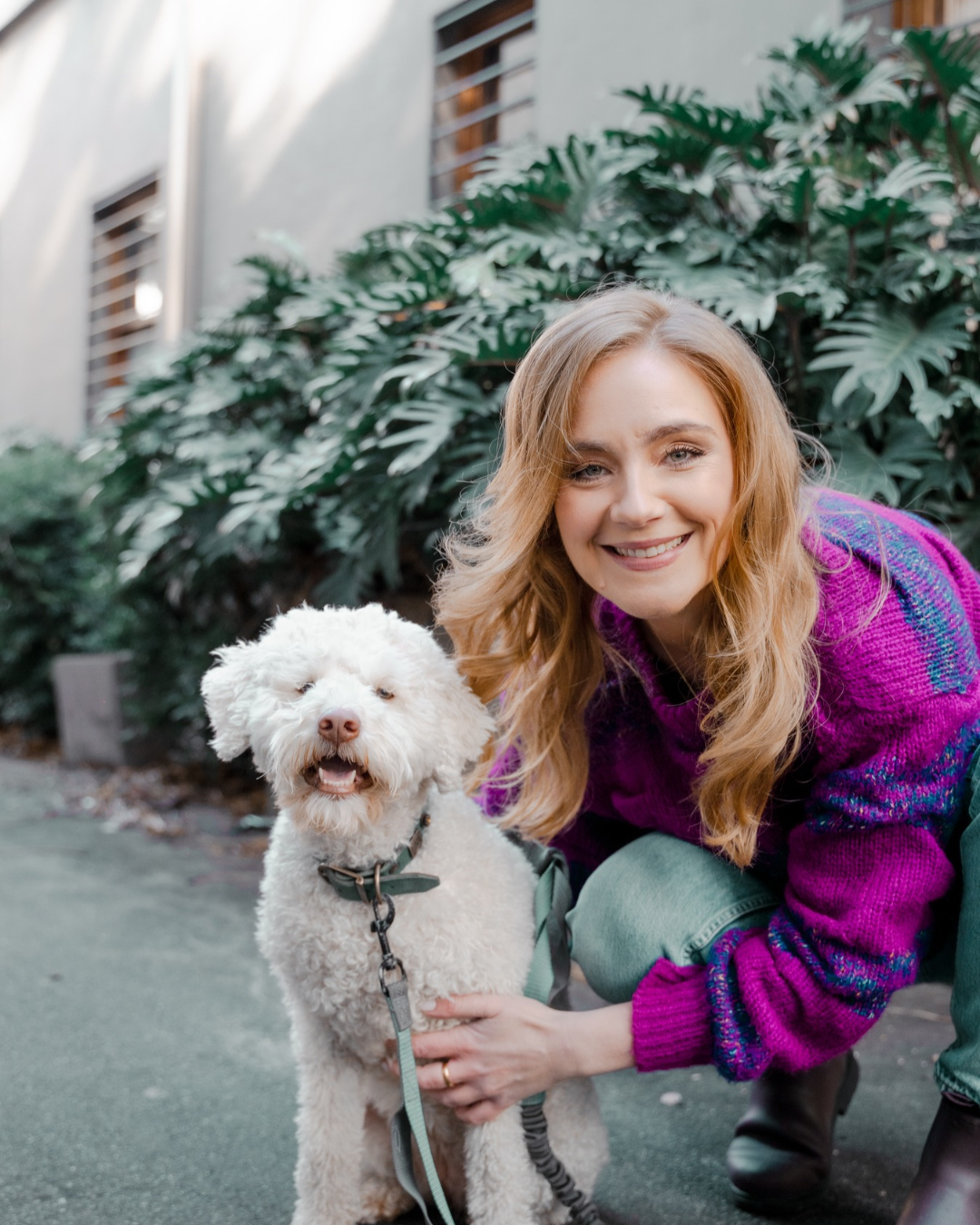
But when I became sick, I didn't have children financially dependent on me (apart from my fur-child who has cost me the equivalent of private school fees – but that's a whole different story!). I still had a life financially dependent on me. I was financially dependent on me.
And you're probably wholly, or largely financially dependent on you too. It’s something we don't always think about when we talk about insurance, I was financially dependent on my income. I needed past me to look after current me. You might need current you to look after future you.
So rather than only asking yourself ‘does anyone else depend on my income?’ I think there is another useful question to ask: What would happen to my life if my income stopped yesterday?
How long could your savings carry you? What expenses would keep rolling in regardless? What new expenses would you have (being unwell generally comes with a price tag)? Could you continue paying your mortgage or rent? Would you need to sell investments or rely on a partner or family members? Would financial pressure mean going back to work before you were physically or mentally ready
They're not particularly fun or joy-sparking questions. Unfortunately, not having a plan in place for them is far less fun or joy-inducing.
Obviously, the answers will look different for everyone. And even then, it can change as your life does. There are many big life events – like mortgages, marriages, promotions and the like, that can see the amount and types of cover you need shift and change during the various seasons of life.
But, in my experience, many people would benefit from considering whether they have appropriate cover in place.
You may also already have some insurance through your superannuation fund without giving it much thought since you joined. You might have taken out some insurance long ago – but you aren’t sure exactly what you have, or you might be suddenly realising the income you covered was correct four pay rises ago (which is unlikely to cover you adequately in this economy!).
When it comes to the finer details, sometimes it's ok to let it slide (honestly – no one is going to remember what your wedding menus look like!), but insurance? Insurance details are, undoubtedly, less sexy but significantly more important in the long run.
Policies have definitions, exclusions, waiting periods, benefit periods, different levels of cover and conditions that determine whether and when they pay. Two people can both say, "I've got income protection" and have very different cover. The detail matters.
Which brings me to perhaps the most important thing I want people to take from my story.
Know what you've got. And understand whether it continues to reflect your current circumstances.
And if you look at all of that and have absolutely no idea what any of it means, that's useful too. It's probably the sign you’ve been ignoring that you need to get this sorted, or you might need to reach out to an expert to help you.
At its core, that's what insurers like Zurich Australia are encouraging people to do: understand what cover they have, what it does and whether it still reflects their life today.
Build your emergency plan (before you need it)
The reality is that none of us have any clue what life has in store for us. We can have the best and most well thought out plans, that don't go to plan. We can have big and exciting moments in life that do actually feel like the baby version of you thought they would. But you might also find that one of the most life changing (stabilising in my case), impressively adultly things you can do, is prepare for stormy weather before the clouds come into sight. Don’t wait for it to start raining before you do something, not all of us have colleagues who force us to build the emergency life raft well before we need it.
If you're unsure what cover you currently hold, or whether it still reflects your circumstances, Zurich Australia provides information and resources to help Australians better understand life insurance, income protection, trauma insurance and TPD insurance. You can find out more here.

Have a money dilemma?
Money dilemmas can be a nightmare! They can leave you up all night ruminating about what to do, have you feeling alone and isolated or just plain ol' stuck. So, we are here to help. I am going to tackle one a week and give you my unbiased, no BS general thoughts on how to tackle your conundrum. We would love for you to send yours (or someone you know) in.
Obvs all of this is general advice only... especially important to note any and all of the comments above do not take into account your objectives, financial situation or needs. Before acting on any information, you should consider the appropriateness of the information provided and the nature of the relevant financial product having regard to your objectives, financial situation and needs.